
Blog | Spore Genetics

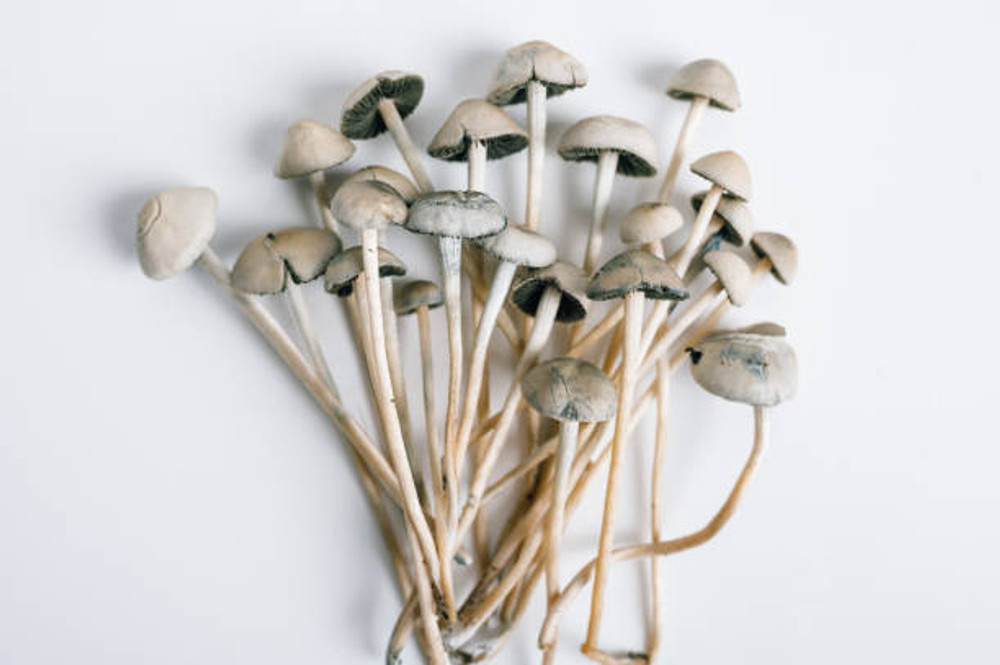
Panaeolus Cinctulus (Subbalteatus): ID & Habitat

Posted by Spore Genetics Research Team on May 11th 2023

Panaeolus Cinctulus (Subbalteatus): Identification & Habitat Panaeolus cinctulus—still widely known by its older name Panaeolus subbalteatus, and commonly called the banded mottlegill&mdash … read more

Amanita Mushrooms: Iconic, Edible & Deadly Species

Posted by Spore Genetics Research Team on May 10th 2023

Amanita Mushrooms: Iconic, Edible & Deadly Species The Amanita genus is one of the most important—and most dangerous—in the entire fungal kingdom. It contains the instantly recognizab … read more

Types of Magic Mushrooms: A Guide to Psilocybe Species

Posted by Spore Genetics Research Team on May 8th 2023

Types of Magic Mushrooms: A Guide to Psilocybe Species "Magic mushrooms" isn't one mushroom—it's a broad group of psilocybin-producing species, most of them in the genus Psilocybe, with over 10 … read more

Psilocybe Cubensis: Identification, Habitat & Facts

Posted by Spore Genetics Research Team on May 8th 2023

Psilocybe Cubensis: Identification, Habitat & Facts Psilocybe cubensis is the most widely known and studied psilocybin mushroom species in the world. A dung-loving mushroom of warm, humid regions … read more

Panaeolus Cyanescens (Blue Meanie): ID & Facts

Posted by Spore Genetics Research Team on May 8th 2023

Panaeolus Cyanescens (Blue Meanie): Identification & Facts Panaeolus cyanescens—commonly called the "Blue Meanie"—is a tropical and subtropical grassland mushroom known for its slende … read more

Psilocybe Azurescens (Flying Saucer): ID & Habitat

Posted by Spore Genetics Research Team on May 7th 2023

Psilocybe Azurescens (Flying Saucer): Identification & Habitat Psilocybe azurescens—nicknamed the "flying saucer" mushroom for its distinctive wavy, saucer-shaped cap—is a wood-loving … read more