-

SG Labs
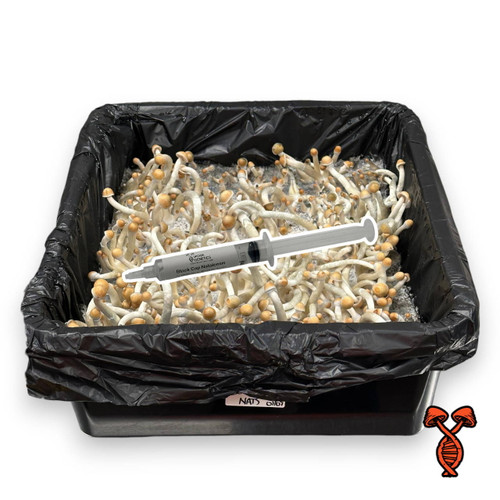
Black Cap Natalensis Isolated Spore Syringe
Black Cap Natalensis Isolated Spore Syringe – 10cc | Spore Genetics Psilocybe ochraceocentrata | Exotic Isolate from South Africa’s Subtropics The Bl$30.00 -
SG Labs
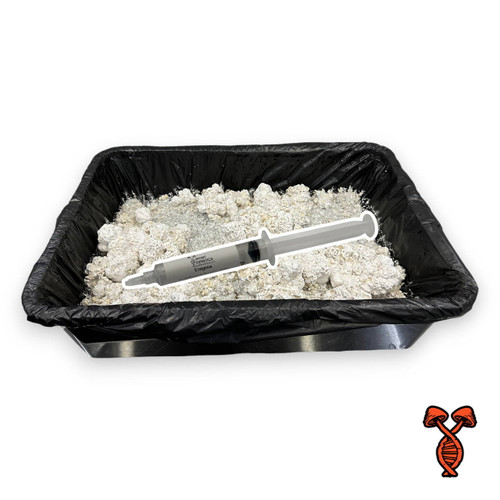
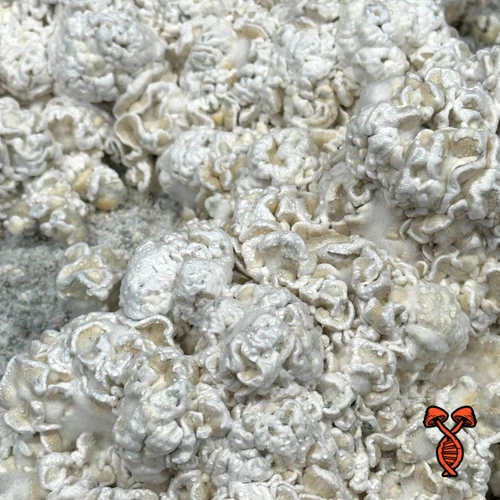
Enigma Isolated Spore Syringe
Enigma Isolated Spore Syringe – 10cc | Spore Genetics The legendary “blob mutation” of Psilocybe cubensis mushrooms The Enigma Isolated Spore Syringe is one of the rar$28.99 -

SG Labs
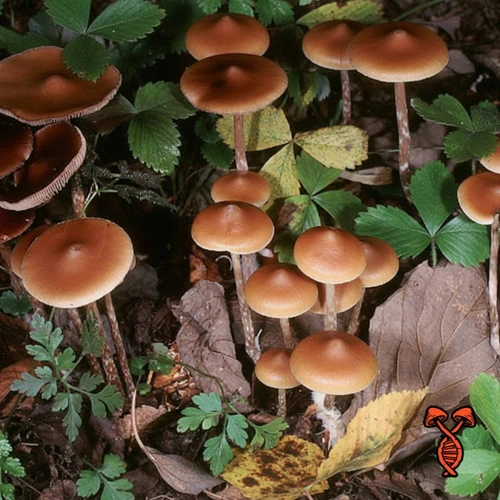
Psilocybe Azurescens Isolated Spore Syringe
Psilocybe Azurescens Isolated Spore Syringe – 10cc | Spore Genetics Also known as: “Flying Saucers,” “Azzies,” or “Blue Angels”$30.00 -

SG Labs
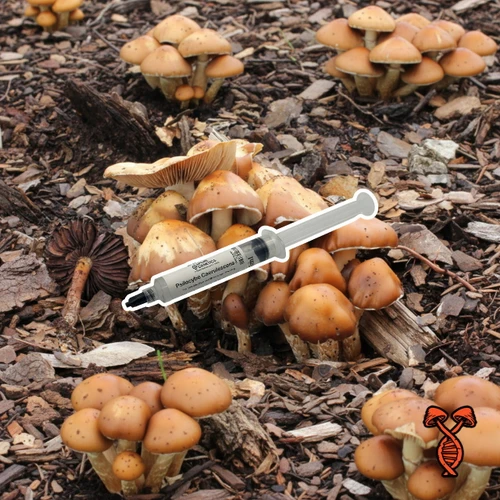
Psilocybe Caerulescens Isolated Spore Syringe
Psilocybe Caerulescens Isolated Spore Syringe – 10cc | Spore Genetics Also known as “Landslide Mushroom,” “Derrumbe,” or “Blue Caerulescens&$30.00 -


SG Labs
Psilocybe Cyanescens Wavy Caps Isolated Spore Syringe
Psilocybe Cyanescens “Wavy Caps” Isolated Spore Syringe – 10cc | Spore Genetics The Wood-Loving “Wavy Cap” — not to be confused with Panaeolus cyanescens The Psilocybe c$30.00 -


SG Labs
Psilocybe Niveotropicalis Isolated Spore Syringe
Psilocybe Niveotropicalis Isolated Spore Syringe – 10cc | Spore Genetics A newly described, rare South Florida wood loving species. Also known as “Niveo” or “Niveos”$30.00 -

SG Labs
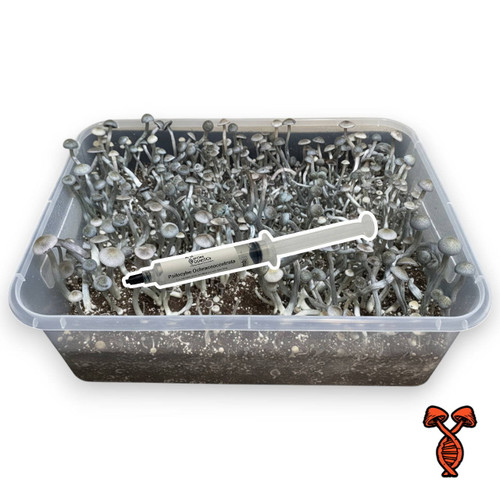
Psilocybe Ochraceocentrata aff. Natalensis Isolated Spore Syringe
Psilocybe Ochraceocentrata aff. Natalensis Isolated Spore Syringe – 10cc | Spore Genetics Also known as Psilocybe natalensis, Psilocybe ochraceocentrata, or “The South African Cube$30.00 -


SG Labs
Psilocybe Subaeruginosa Isolated Spore Syringe
Psilocybe Subaeruginosa Isolated Spore Syringe – 10cc | Spore Genetics Australia & New Zealand’s iconic wood-lover species Psilocybe subaeruginosa is one of the most studied$30.00 -

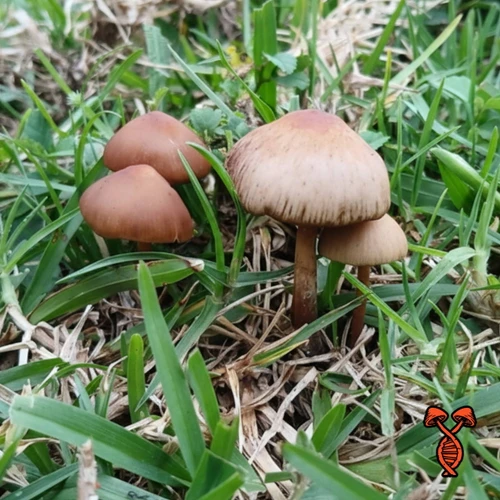
SG Labs
Psilocybe Subtropicalis Isolated Spore Syringe
Psilocybe Subtropicalis Isolated Spore Syringe – 10cc | Spore Genetics Also known as “Semperviva” — a resilient, slow-growing Mexican Psilocybe species Psilocybe subtropicalis$30.00 -
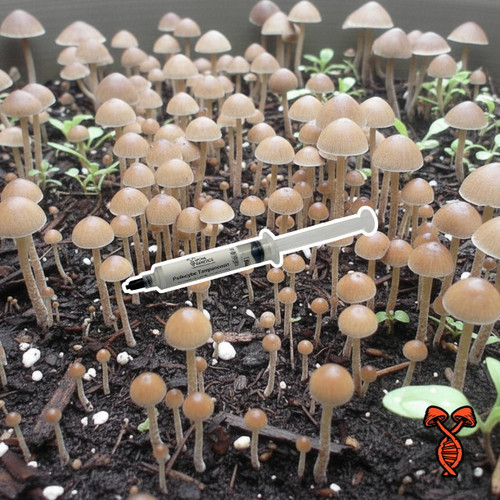

SG Labs
Psilocybe Tampanensis Isolated Spore Syringe
Psilocybe Tampanensis Isolated Spore Syringe – 10cc | Spore Genetics Also known as “Philosopher’s Stone Mushroom” or Tamps - rare sclerotia forming Psilocybe species Psilocybe Tamp$30.00 -

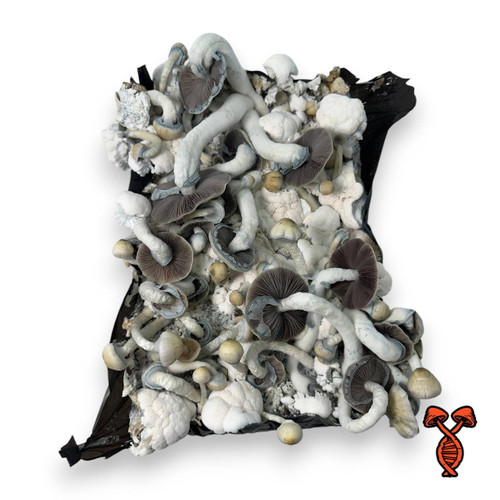
SG Labs
Yellow Umbo Isolated Spore Syringe
Yellow Umbo Isolated Spore Syringe – 10cc | Spore Genetics The first documented Psilocybe cubensis × Psilocybe natalensis hybrid The Yellow Umbo Isolated Spore Syringe represent$28.99
Exotic Mushroom Spores — Frequently Asked Questions
What are exotic mushroom spores?
Exotic mushroom spores are the rare, sought-after Psilocybe species beyond common cubensis—wood-loving and tropical species with distinctive spore morphology, coloration, and microscopic features. Spore Genetics offers rare and exotic spores like Psilocybe azurescens, natalensis, and caerulescens in sterile 10cc syringes for advanced taxonomy and microscopy research.
How are exotic Psilocybe species different from cubensis?
Most cubensis are dung-loving (coprophilic) grassland species, while many exotics are wood-loving (lignicolous) species that grow on wood debris, like Psilocybe azurescens and subaeruginosa. They differ in spore size and shape, habitat, and geographic origin—from the Pacific Northwest to South Africa and Australia—which makes them especially interesting for comparative taxonomy.
What is Psilocybe azurescens?
Psilocybe azurescens is a wood-loving species native to the Pacific Northwest coast of the United States, nicknamed "Flying Saucers" for its caramel, wavy caps. It's known among researchers for having some of the largest spores in the genus, making it a striking subject for microscopy and morphological study.
What is Psilocybe natalensis?
Psilocybe natalensis is a Psilocybe species from South Africa, closely related to (and often discussed alongside) Psilocybe ochraceocentrata. It's valued by researchers for its clean, well-defined spore morphology and as a non-cubensis African genetic line—an excellent reference point for comparative taxonomic study.
What other rare Psilocybe species do you carry?
Our exotic collection includes Psilocybe caerulescens (the "Landslide" or "Derrumbe" mushroom of Mexico), Psilocybe subaeruginosa (Australia and New Zealand's iconic wood-lover), Psilocybe niveotropicalis (a newly described South Florida wood-lover), and unique hybrids like Yellow Umbo (a cubensis × natalensis cross)—each offering distinctive morphology for study.
What is Psilocybe tampanensis?
Psilocybe tampanensis, nicknamed the "Philosopher's Stone," is a rare species known for forming sclerotia—dense underground masses sometimes called truffles. It's a popular subject for researchers interested in sclerotia-forming Psilocybe. For more sclerotia and truffle genetics, see our Psilocybe Mexicana & Truffle Spores category.
Where do these wood-loving Psilocybe species grow?
In nature, wood-loving (lignicolous) species grow on decaying wood, wood chips, and forest debris rather than dung or grassland. Psilocybe azurescens occurs along the Pacific Northwest coast, subaeruginosa in Australia and New Zealand, and niveotropicalis in subtropical Florida. These natural habitats are part of what researchers document in taxonomic study.
Are exotic mushroom spores legal?
Like all our spores, exotic Psilocybe spores contain no psilocybin or psilocin—those form only in the mature mushroom—and are sold for microscopy and taxonomy study. Legal status varies by location, so follow your local rules. Spore Genetics ships worldwide and across the U.S. except Georgia and Idaho.
All Psilocybe spores sold by Spore Genetics are intended for microscopy and taxonomy purposes only—not for cultivation or consumption. You must be 18 or older to order. We ship worldwide and throughout the United States except Georgia and Idaho; customers are responsible for complying with the laws of their own state or country.