
-


SG Labs
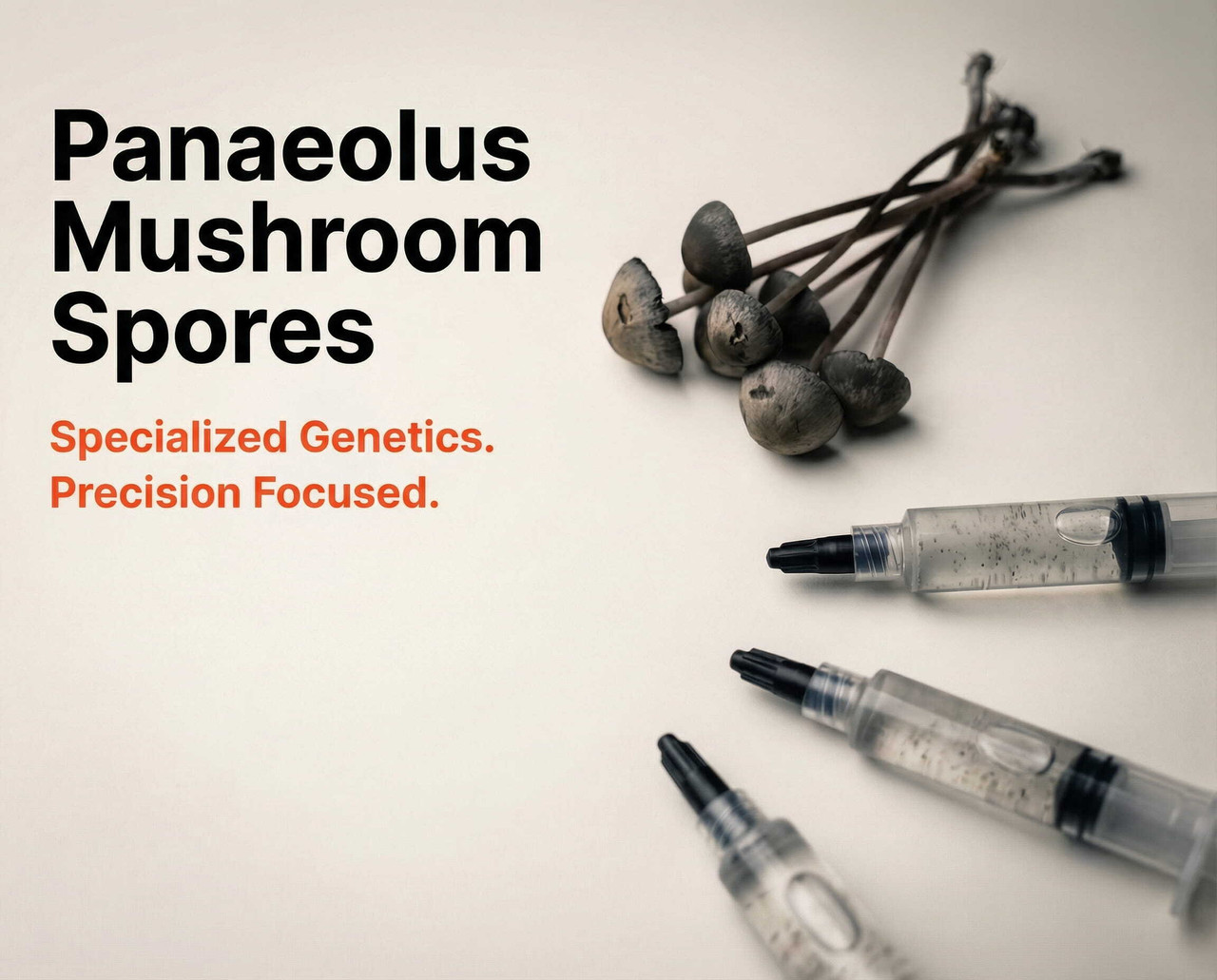
Panaeolus Cyanescens Estero Isolated Spore Syringe
Panaeolus Cyanescens Estero Isolated Spore Syringe – 10cc | Spore Genetics Pan Cyan Single-Phenotype Estero, Florida Isolate The Panaeolus Cyanescens Estero Isolated Spore 10cc Syr$30.00 -

SG Labs
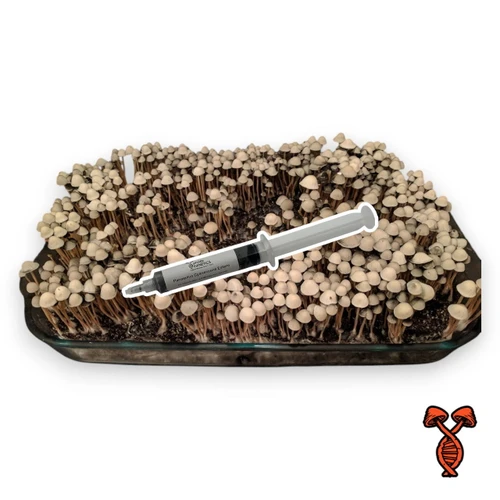
Panaeolus Cyanescens Estero Spore Syringe
Panaeolus Cyanescens Estero Spore Syringe – 10cc | Spore Genetics Tropical Grassland Pan Cyan from Estero, Florida The Panaeolus Cyanescens Estero$25.00 -

SG Labs
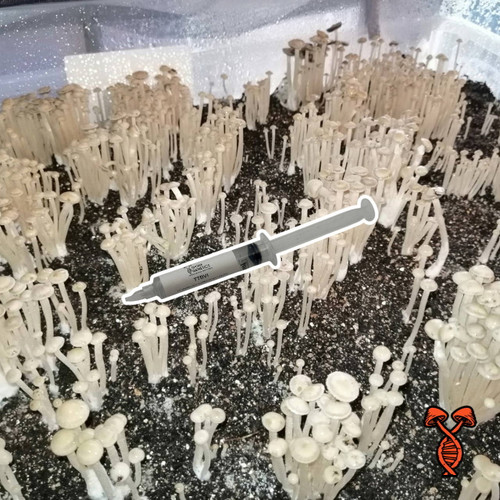
Panaeolus Cyanescens TTBVI Isolated Spore Syringe
Panaeolus Cyanescens TTBVI Isolated Spore Syringe – 10cc | Spore Genetics Single-Phenotype Pan Cyan from the British Virgin Islands The Panaeolus Cyanescens TTBVI Isolated Spore Sy$30.00 -

SG Labs
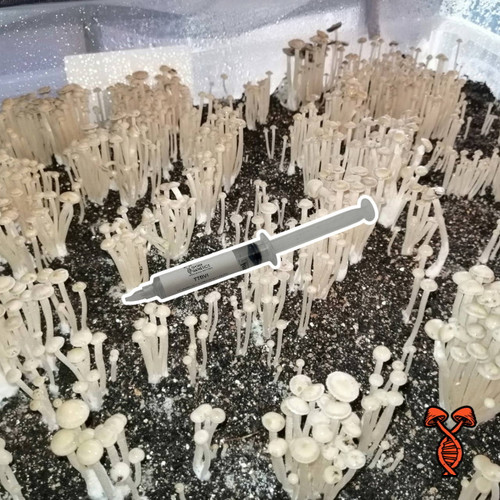
Panaeolus Cyanescens TTBVI Spore Syringe
Panaeolus Cyanescens TTBVI – 10cc Spore Syringe | Spore Genetics Panaeolus cyanescens Single-Phenotype British Virgin Islands Collection The Panaeolus Cyanescens TTBVI Spore Syring$25.00
Panaeolus Mushroom Spores — Frequently Asked Questions
What are Panaeolus mushroom spores?
Panaeolus mushroom spores come from the Panaeolus genus—grassland, dung-loving mushrooms distinct from the more common Psilocybe cubensis. Best known is Panaeolus cyanescens ("pan cyan"). Spore Genetics offers Panaeolus spores in sterile 10cc syringes, prized for their jet-black spores and dramatic blue bruising—ideal for high-contrast microscopy and comparative taxonomy.
What is Panaeolus cyanescens?
Panaeolus cyanescens, commonly called "pan cyan," is a small grassland mushroom in the Bolbitiaceae family, found in tropical and subtropical pastures worldwide. It's recognized by its pale tan-to-white cap, slender stem, jet-black spores, and strong blue bruising. Among researchers it's a favorite for microscopy thanks to its striking spore contrast and morphology.
How is Panaeolus different from Psilocybe cubensis?
Panaeolus and Psilocybe are different genera. Panaeolus cyanescens is a grassland dung-lover with jet-black spores and a slender build, while Psilocybe cubensis has purple-brown spores and a stockier form. Under the microscope, the spore color and shape differences are immediately visible—which is exactly why pan cyans are such a popular subject for comparative taxonomy.
What does "pan cyan" mean?
"Pan cyan" is the common shorthand for Panaeolus cyanescens. The "cyan" part refers to the species' dramatic blue bruising—an oxidation reaction the mushroom is known for. You'll see the genus written as Panaeolus and the nickname pan cyan used interchangeably across mycology and microscopy communities.
Is Panaeolus cyanescens the same as a Blue Meanie?
The name "Blue Meanie" is used for two different mushrooms, which causes confusion. It most often refers to Panaeolus cyanescens, but it's also a nickname for a potent Psilocybe cubensis strain, the Blue Meanie Cube. They're different genera that share a nickname because both bruise blue. Spore Genetics carries both as separate products.
Is Panaeolus cyanescens the same as a "Wavy Cap"?
Not exactly—this is a common naming mix-up. Panaeolus cyanescens is sometimes labeled "Wavy Cap," but that name properly belongs to Psilocybe cyanescens, a separate wood-loving Psilocybe species. They look and grow very differently, so researchers treat them as distinct species in taxonomic work despite the overlapping nickname.
What color are Panaeolus spores?
Panaeolus spores are jet-black—markedly darker than the purple-brown spores of Psilocybe cubensis. This deep pigmentation gives excellent contrast under the microscope and shows clearly in spore prints, making Panaeolus species especially rewarding for studying spore shape, size, and surface detail.
Are Panaeolus mushroom spores legal?
Like all our spores, Panaeolus spores contain no psilocybin or psilocin—those compounds form only in the mature mushroom—and are sold for microscopy and taxonomy study. Legal status varies by location, so follow your local rules. Spore Genetics ships worldwide and across the U.S. except Georgia and Idaho.
All Psilocybe and Panaeolus spores sold by Spore Genetics are intended for microscopy and taxonomy purposes only—not for cultivation or consumption. You must be 18 or older to order. We ship worldwide and throughout the United States except Georgia and Idaho; customers are responsible for complying with the laws of their own state or country.