
Cordyceps Mushroom: Benefits, Uses & How It's Grown
Posted by Spore Genetics Research Team on Jun 21st 2023
Cordyceps Mushroom: Benefits, Uses & How It's Grown
Cordyceps is one of the most famous functional mushrooms in the world—prized for centuries in traditional wellness practices and popular today with athletes and anyone interested in natural energy and stamina. Behind the name is a fascinating and unusual group of fungi, and a modern cultivated form that has made cordyceps more accessible than ever.
From its bizarre origins as a parasitic fungus to its place on supplement shelves worldwide, here's a complete look at what cordyceps is, its benefits, and how it's grown.
What Is Cordyceps?
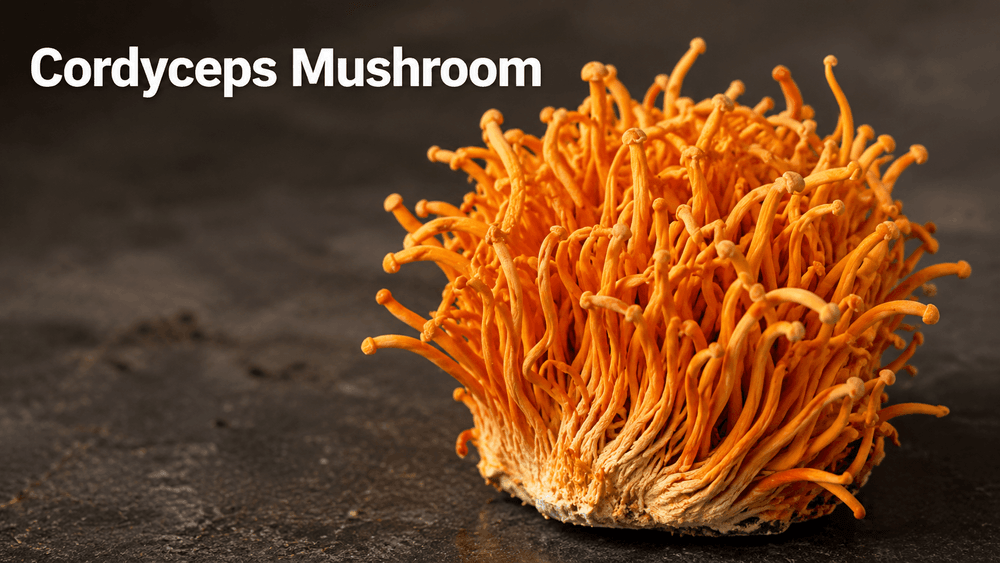
Cordyceps is a genus of parasitic fungi with a genuinely strange natural history. The most famous species, Ophiocordyceps sinensis, grows in the high Himalayas by infecting insect larvae—earning it the nickname “caterpillar fungus.” Wild caterpillar fungus is one of the most expensive natural products on earth. Today, however, most cordyceps you'll encounter is Cordyceps militaris—a bright-orange, cultivated species that can be grown sustainably and has become the standard source for modern products.
Cordyceps Benefits
Cordyceps is valued as a functional mushroom for a specific set of natural compounds, including cordycepin, adenosine, beta-glucans, and other polysaccharides. Traditionally and in modern wellness, it's most associated with:
- Energy and stamina — its best-known reputation, and why it's popular with athletes.
- Endurance and oxygen use — often studied in the context of physical performance.
- General vitality — a long history in traditional wellness practices.
Research into these effects is ongoing, and cordyceps is best thought of as a supportive addition to a healthy lifestyle rather than a treatment. If you'd rather take it in a ready-made form, our MycoGen Core Energy Cordyceps Dual-Extract Tincture is a convenient cordyceps extract, and you can explore it alongside other functional species in our medicinal mushrooms collection. As always, consult a healthcare provider before starting any new supplement.
Cordyceps militaris vs. Ophiocordyceps sinensis
There are two forms worth knowing:
- Ophiocordyceps sinensis — the wild Himalayan “caterpillar fungus,” extremely rare, difficult to harvest, and very expensive.
- Cordyceps militaris — a bright-orange species that can be cultivated on substrate, making it sustainable and widely available. It's rich in cordycepin and is the source behind most modern cordyceps products.
Because it can be farmed without harvesting from the wild, cultivated C. militaris has made cordyceps far more accessible.
How Cordyceps Is Grown
Unlike the wild caterpillar fungus, Cordyceps militaris is cultivated—typically grown from a culture on a nutrient substrate under controlled conditions, where it forms its characteristic orange fruiting bodies. As with other functional and gourmet species, growers start from a liquid culture of a known strain for consistency—you can begin your own from our Cordyceps militaris liquid culture. You'll find it alongside our other functional and gourmet cultures in the medicinal mushrooms and gourmet cultures collections, and our liquid culture guide covers the basics of working with them.
Frequently Asked Questions
What is cordyceps?
Cordyceps is a genus of parasitic fungi used as a functional mushroom. The wild form (Ophiocordyceps sinensis) grows on insect larvae, while the cultivated form (Cordyceps militaris) is farmed and is the common source today.
What are the benefits of cordyceps?
Cordyceps is best known for its association with energy, stamina, and endurance, thanks to compounds like cordycepin and beta-glucans. It's viewed as a supportive wellness addition, not a treatment; consult a healthcare provider before use.
Is cordyceps a mushroom?
Yes—it's a fungus, though an unusual one. The cultivated Cordyceps militaris forms small, finger-like orange fruiting bodies rather than a classic capped mushroom.
What's the difference between Cordyceps militaris and sinensis?
Ophiocordyceps sinensis is the rare, wild Himalayan caterpillar fungus; Cordyceps militaris is a cultivated, sustainable species rich in cordycepin, and is what's used in most modern products.
Can you grow cordyceps?
Yes—Cordyceps militaris can be cultivated on a nutrient substrate from a liquid culture, which is why it's now widely available and sustainable.
Disclaimer: This article is educational and not medical advice. Consult a healthcare provider before beginning any new supplement or wellness regimen. Spore Genetics cultures are intended for legal cultivation and research.