
-

SG Labs
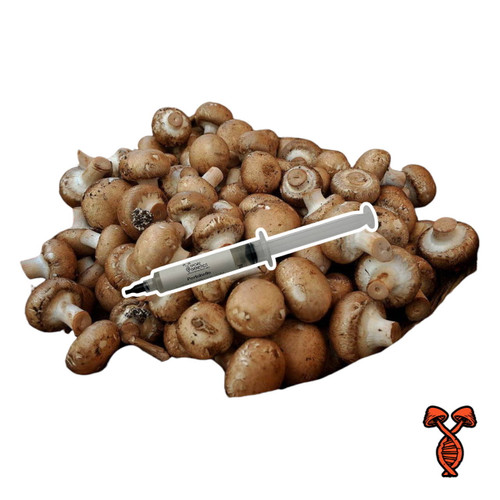
Portobello Liquid Culture Syringe
Portobello Spores 10cc Liquid Culture Syringe Large Caps. Rich Aroma. Classic Gourmet Mushroom. Grow one of the world’s most recognizable gourmet mushrooms with the Portobell$18.50 -


SG Labs
Red Reishi Liquid Culture Syringe
Red Reishi 10cc Liquid Culture Syringe Slow Growing. Highly Respected. Stunning Antler & Conk Formation. Grow one of the most iconic and visually striking gourmet mushrooms wit$18.50 -


SG Labs
Shiitake 3782 Liquid Culture Syringe
Shiitake 3782 10cc Liquid Culture Syringe Meaty Caps. Deep Umami. Proven Performer. Grow one of the most reliable and flavorful gourmet mushrooms with the Shiitake 3782 (Lentinula$18.50 -


SG Labs
Snow Fungus Liquid Culture Syringe
Snow Fungus (Tremella fuciformis) 10cc Liquid Culture Syringe Translucent Fronds. Jelly-Like Texture. Requires a Host Fungus. Aka Snow Jelly Grow one of the most unique and visuall$18.50 -
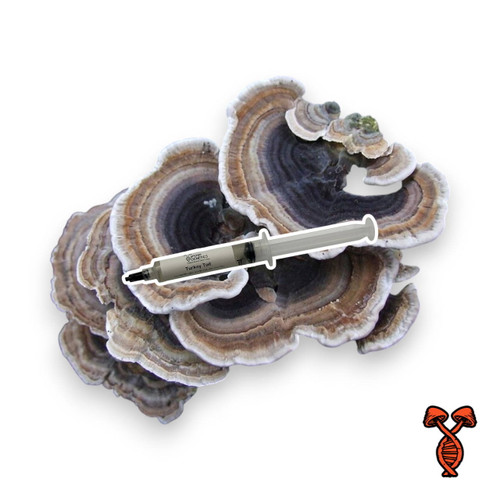

SG Labs
Turkey Tail Liquid Culture Syringe
Turkey Tail Mushroom Spores 10cc Liquid Culture Syringe Colorful Fans. Reliable Growth. Hardwood Specialist. Grow one of the most recognizable and visually appealing gourmet mushro$18.50
Gourmet Mushroom Cultures — Frequently Asked Questions
What are gourmet mushroom cultures?
Gourmet mushroom cultures are live mycelium or liquid cultures used to grow edible and medicinal mushrooms at home or in a lab. Unlike a spore syringe, a liquid culture already contains established, actively growing mycelium, so it skips the germination stage and colonizes faster — giving you a reliable head start on cultivation.
What is the difference between a liquid culture and a spore syringe?
A liquid culture contains living mycelium suspended in a nutrient solution, while a spore syringe contains ungerminated spores in sterile water. Because the mycelium is already active, liquid cultures typically colonize faster and more predictably, while spore syringes offer genetic variation. Learn more in our guide to spore syringes vs. liquid cultures.
How do you use a liquid culture syringe?
To use a liquid culture syringe, sterilize the needle, then inject 1–3 cc into sterilized grain or substrate through a self-healing injection port. Work in a still-air box or in front of a flow hood to limit contamination, then keep the inoculated container warm and dark while the mycelium colonizes.
How long does it take for a liquid culture to colonize?
Most gourmet mushroom liquid cultures fully colonize grain in about 7–14 days, depending on the species, temperature, and inoculation rate. Stable temperatures around 70–75°F and a clean inoculation speed up healthy colonization. Fast species like oyster often finish sooner than denser species such as shiitake.
How long does a liquid culture last, and how should you store it?
Stored properly in a refrigerator, a sealed liquid culture syringe stays viable for roughly 6–12 months. Keep it cold, upright, and away from light, and always sterilize the needle before each use. Discard any culture that turns cloudy, discolored, or develops an off smell.
How can you tell if a liquid culture is contaminated?
A contaminated liquid culture usually shows cloudiness in the liquid, unusual colors (green, black, or pink), stringy or slimy textures, or a sour, foul odor. Healthy mycelium looks like clean white wisps or clusters. When in doubt, discard it — a contaminated culture won't produce a healthy harvest.
Are gourmet and medicinal mushroom cultures legal?
Yes. Gourmet and medicinal mushroom cultures — including oyster, shiitake, lion's mane, reishi, and turkey tail — are fully legal to buy and cultivate throughout the United States. These species contain no controlled substances and are grown for food, study, and wellness, with no restrictions on home cultivation.
Should I choose an edible or a medicinal mushroom culture?
Choose an edible culture such as oyster or shiitake if your goal is fresh mushrooms for cooking, and a medicinal culture such as lion's mane, reishi, or turkey tail if you're growing for wellness or extracts. Many growers keep both — compare our Edible Mushrooms and Medicinal Mushrooms collections.